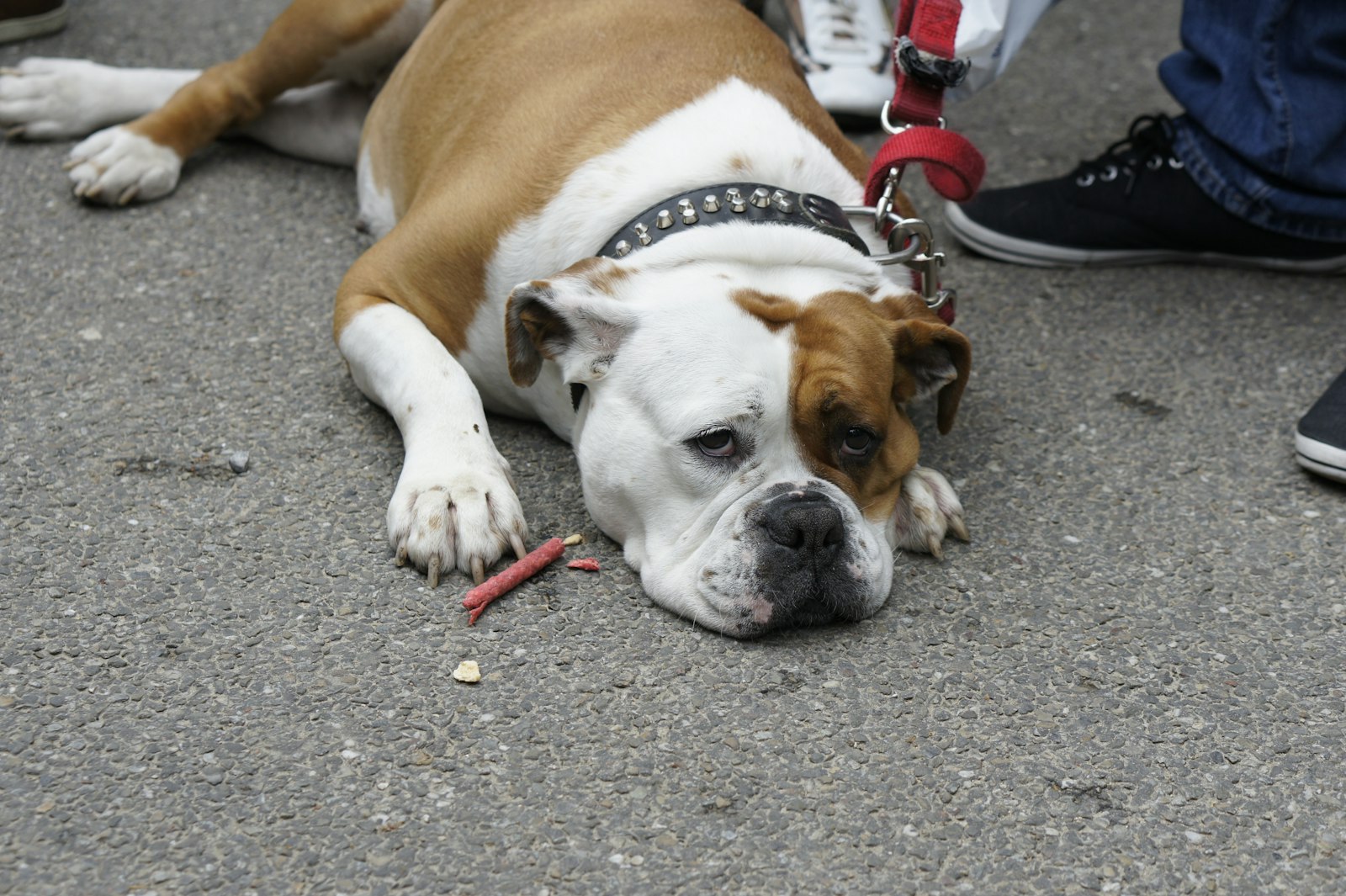
Bulldogs win people over quickly. They are funny, loyal, affectionate, and easy to adore. They also have a very specific health profile, and that matters more than many owners realize at first.
If you have a bulldog in Oakland, picking a vet clinic is about more than routine vaccines and annual checkups. It helps to have a clinic that understands the breed well enough to spot subtle problems early, explain what is normal and what is not, and help you manage the issues bulldogs are known for.
That matters because bulldogs do not always look obviously sick when something is starting to go wrong. A little more snoring, less stamina on a warm day, redness in the skin folds, or mild eye irritation can seem small. In bulldogs, those changes can be early signs of bigger trouble.
Bulldogs need more medical attention than many owners expect
Some dogs go long stretches with standard preventive care and very few problems. Bulldogs are different. Even healthy bulldogs often need closer monitoring because the breed is more prone to breathing issues, skin problems, eye irritation, digestive trouble, and joint strain.
One of the biggest concerns is airway structure. Bulldogs are a brachycephalic breed, which means they have a shortened skull and flattened face. That look is familiar and part of the breed’s appeal, but it can also make breathing harder. Narrow nostrils, an elongated soft palate, and other airway restrictions can turn normal activity, excitement, stress, or warm weather into a real challenge.
Bulldogs are also known for skin fold dermatitis, allergies, recurring ear trouble, eye issues, digestive sensitivity, and mobility problems. Not every bulldog will deal with all of them, but the risk is high enough that it helps to work with a vet clinic that pays close attention to the breed.
Noisy breathing is not always “just bulldog behavior”
A lot of owners hear that snorting and snoring are simply part of life with a bulldog. Some of that may be common, but common does not always mean harmless.
If your bulldog struggles to recover after a short walk, breathes loudly while resting, gags when excited, sleeps in odd positions to breathe more easily, or overheats faster than other dogs, those signs are worth taking seriously. The same goes for heavy panting in mild weather, poor exercise tolerance, or distress after light activity.
That is especially relevant in Oakland, where a bulldog might go from a short neighborhood walk to a warmer afternoon, a hillier route, or a busy weekend outing that pushes them harder than expected. Bulldogs do not need intense exercise to get into trouble. Heat, overexertion, and airway stress can build quickly.
A vet clinic that knows the breed can help you tell the difference between typical bulldog noise and signs of a more serious airway problem that may need treatment or referral.
Skin folds, allergies, and ears need steady upkeep
Bulldogs are also well known for skin trouble. Their facial wrinkles and tail-pocket area can trap moisture, debris, and bacteria, which makes regular skin care more important than many first-time owners expect.
Redness between folds, a yeasty smell, rubbing at the face, excessive licking, and recurring irritation can all signal that your dog needs more than occasional cleaning. Some bulldogs also have broader allergy patterns that show up as itchy paws, inflamed skin, hot spots, or repeated ear infections.
These problems can be frustrating because they often improve, then flare up again. Sometimes the issue is hygiene. Sometimes it is allergies. Sometimes it is both. That is one reason it helps to have a clinic that looks at the pattern over time instead of treating each flare-up as a separate issue.
Oakland’s mix of mild damp weather, seasonal dryness, grasses, and everyday urban outdoor exposure can make life harder for sensitive dogs. A local vet clinic that sees these issues regularly can help bulldog owners build a more realistic long-term care plan.
Eyes and joints deserve just as much attention
Bulldogs can also develop eye problems that should not be ignored. Redness, squinting, discharge, pawing at the face, or a visibly irritated eye can all point to issues that need prompt veterinary care. Because bulldogs have prominent eyes and a distinctive facial structure, they may be more vulnerable to irritation than some other breeds.
Joint and mobility problems are also common. Bulldogs carry a lot of weight on a compact frame, and that can be hard on the hips, elbows, knees, and spine. Some seem sturdy but tire easily, move stiffly after rest, or become less willing to jump, climb stairs, or walk as far as they used to.
Those changes are easy to miss because they often happen gradually. Owners may assume their dog is being lazy, stubborn, or simply getting older. Sometimes the real issue is discomfort.
This is another reason an ongoing relationship with a vet clinic matters. Weight changes, mobility shifts, and exercise tolerance are often easier to judge over time than in one isolated visit.
Warning signs bulldog owners should not ignore
Because so many bulldog health issues start subtly, it helps to know what should move up your list of concerns.
Call your vet promptly if your bulldog has:
- worsening snoring or noisy breathing
- heavy panting after mild activity
- repeated skin fold redness or odor
- chronic ear scratching or head shaking
- eye redness, discharge, or squinting
- vomiting, diarrhea, or recurring digestive upset
- limping, stiffness, or reluctance to move normally
- sudden fatigue or reduced tolerance for walks
Seek urgent care right away if your bulldog is struggling to breathe, collapses, seems overheated, has blue or gray gums, or becomes suddenly weak and distressed. With bulldogs, waiting too long can turn a manageable problem into an emergency faster than many owners expect.
Daily routines make a real difference
One of the most helpful things a bulldog-savvy vet clinic can do is guide owners through the everyday habits that protect the dog’s health over time. For this breed, daily management matters.
That often means keeping skin folds clean and dry, watching body weight closely, avoiding exercise during hotter parts of the day, using a harness when appropriate, and paying attention to how your dog sounds and recovers after activity. It can also mean being cautious during warm East Bay afternoons, in poorly ventilated spaces, or on outings where excitement and exertion add up quickly.
Weight control matters a lot. Even a modest amount of extra weight can make breathing, joint strain, and heat intolerance worse. Many bulldogs do best with an exercise plan that supports fitness without asking them to do long, intense activity they are not built for.
The goal is not to make life restrictive. The goal is to make it sustainable.
Why breed familiarity matters when choosing a vet clinic in Oakland
A good general practice clinic does not need to be bulldog-only to be the right fit. It does help when the team understands the issues bulldog owners are likely to face and does not brush recurring problems aside as inevitable.
That shows up in practical ways. A knowledgeable clinic is more likely to ask about breathing, heat sensitivity, skin fold care, weight trends, sleep posture, and activity tolerance. They are also more likely to help you think ahead about monitoring, prevention, and when a referral makes sense.
That matters in Oakland, where daily life can look very different from one household to the next. Some bulldogs live in apartments and stick to short neighborhood walks. Others are part of busier households with more outings, more stimulation, and more chances to get overheated or overtired. A breed-aware clinic can tailor advice to how your bulldog actually lives.
Steady veterinary support can make bulldog care more manageable
Bulldogs can be wonderful companions, but they usually do best when owners take a proactive approach to health. Their breed traits make preventive care, early intervention, and realistic daily management especially important.
For Oakland bulldog owners, the best vet clinic is often one that understands those patterns early and helps you stay ahead of them. When a clinic knows what to watch for in bulldogs, small changes are less likely to be missed, and care becomes more manageable instead of purely reactive.
That kind of support can make a real difference for both dogs and owners. It helps you act sooner, worry less, and give your bulldog the steady care they need to stay as comfortable and healthy as possible.